High blood pressure (also called hypertension) affects millions of people in the United States. What makes it dangerous is that most people don’t feel sick at all at least not in the beginning.
That’s why high blood pressure is often called the “silent killer.”
However, in many cases, the body does give early warning signs, but they are easy to ignore or blame on stress, aging, or tiredness.
Knowing these early symptoms can help you take action before serious damage happens.
What Is High Blood Pressure? (Simple Explanation)
Blood pressure is the force of blood pushing against your artery walls.
When this pressure stays high for a long time, it can damage your:
- Heart
- Blood vessels
- Kidneys
- Eyes
- Brain
Many people live with high blood pressure for years without knowing it.
Early Symptoms of High Blood Pressure Most People Ignore
Here are some common early signs that people often overlook:
1. Frequent Headaches
Occasional headaches are normal, but regular or unexplained headaches, especially in the morning, may be linked to high blood pressure.
People often blame:
- Stress
- Dehydration
- Screen time
But recurring headaches deserve attention.
2. Dizziness or Lightheaded Feeling
Feeling dizzy, especially when standing up suddenly, can be a sign that your blood pressure is not well controlled.
This happens when blood flow to the brain is affected.
3. Shortness of Breath
If you feel breathless during simple activities like walking or climbing stairs, your heart may be working harder due to high blood pressure.
Many people mistake this for:
- Low fitness
- Weight gain
- Aging
4. Blurred or Unclear Vision
High blood pressure can damage the tiny blood vessels in your eyes.
Early signs include:
- Blurry vision
- Difficulty focusing
- Eye strain
Vision changes should never be ignored.
5. Chest Tightness or Mild Discomfort
This is not always sharp pain.
Some people feel:
- Pressure
- Tightness
- Heaviness in the chest
This can be an early sign that the heart is under stress.
6. Fatigue and Low Energy
Feeling tired all the time—even after rest—can be linked to high blood pressure.
When the heart works harder than normal, the body feels drained.
7. Irregular Heartbeat or Palpitations
A racing heart, skipped beats, or fluttering sensations may occur when blood pressure is high.
Many people feel this during stress but ignore it when it happens often.
8. Frequent Nosebleeds
While not common, repeated nosebleeds without injury may be related to high blood pressure affecting delicate blood vessels.
Why Most People Ignore These Symptoms
These signs are often mistaken for:
- Stress
- Anxiety
- Poor sleep
- Busy lifestyle
- Aging
Because the symptoms are mild at first, people delay checking their blood pressure.
Who Is at Higher Risk for High Blood Pressure?
You may be at higher risk if you:
- Are over 40
- Have a family history of hypertension
- Are overweight
- Eat a high-salt diet
- Smoke or drink alcohol
- Have a stressful lifestyle
- Don’t exercise regularly
When Should You Check Your Blood Pressure?
You should check your blood pressure if:
- You notice the symptoms above
- You feel tired or dizzy often
- You have headaches without a clear reason
- You haven’t checked your BP in years
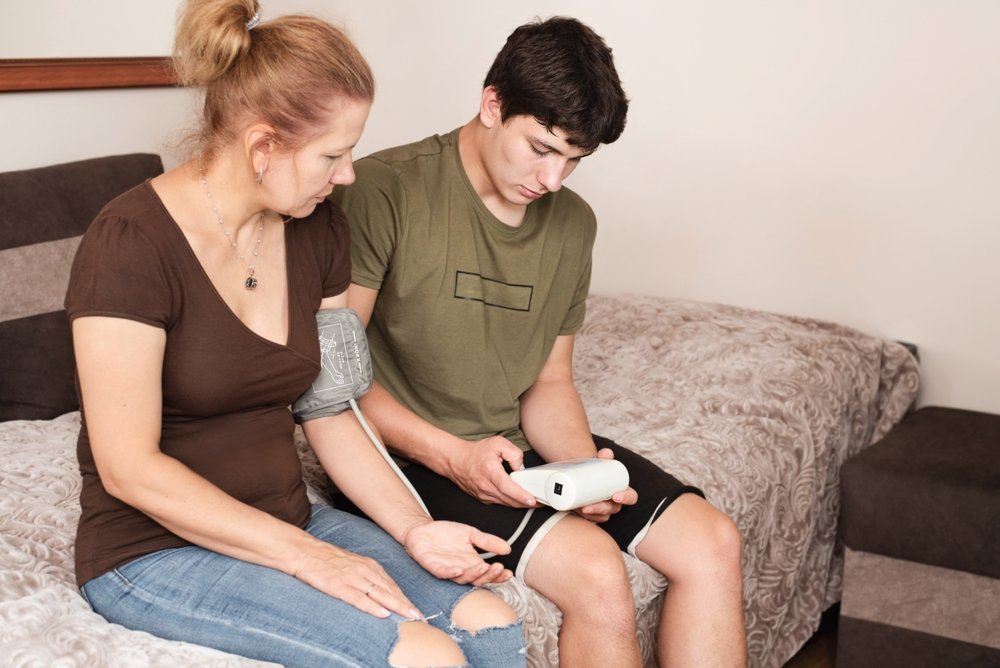
A simple home BP monitor or pharmacy check can help.
How High Blood Pressure Is Managed
Treatment usually includes:
- Lifestyle changes (diet, exercise, stress control)
- Regular BP monitoring
- Blood pressure medicines (when needed)
Medicines help keep BP in a safe range and protect your heart, brain, and kidneys.
Looking to Buy High Blood Pressure Medicines Online?
If you’ve been prescribed blood pressure medication and want a safe, private, and convenient option in the United States, you can order from our online pharmacy.
We provide:
- Genuine and trusted BP medicines
- Fast delivery across the US
- Affordable pricing
- Discreet and secure packaging
Final Thoughts
High blood pressure often starts quietly but the damage can be serious if ignored.
Listening to early symptoms and checking your BP regularly can protect your health long-term.
Early action makes a big difference.

1 thought on “Early Symptoms of High Blood Pressure Most People Ignore”
Leave a Reply
-
 Buy Adderall Online
-
 Buy Ambien Online
-
 Buy Alprazolam Online
-
 Buy Cialis Online
-
 Buy Carisoprodol Online
-
 Buy Clonazepam Online
-
 Buy Dilaudid Online
-
 Buy Fioricet Online
-
 Buy Gabapentin Online
-
 Buy Hydrocodone Online
-
 Buy Lorazepam Online
-
 Buy Modafinil Online
-
 Buy Oxycodone Online
-
 Buy Oxycontin Online
-
 Buy Percocet Online
-
 Buy Phentermine Online
-
 Buy Ritalin Online
-
 Buy Tapentadol Online
-
 Buy Tramadol Online
-
 Buy Valium Online
-
 Buy Viagra Online
-
 Buy Zopiclone Online
It’s concerning how many people don’t realize they have high blood pressure; this article highlights an important issue. I found some related information about maintaining overall health on https://tinyfun.io/game/expert-parkour-3d that might be helpful too.